
New Mains Chlorination Frequently Asked Questions
What is a Mains Chlorination?
We prefer the term mains commissioning and it is the process of making the pipe safe ready for the connection onto an existing Water Authority network.
What does a Mains Chlorination include?
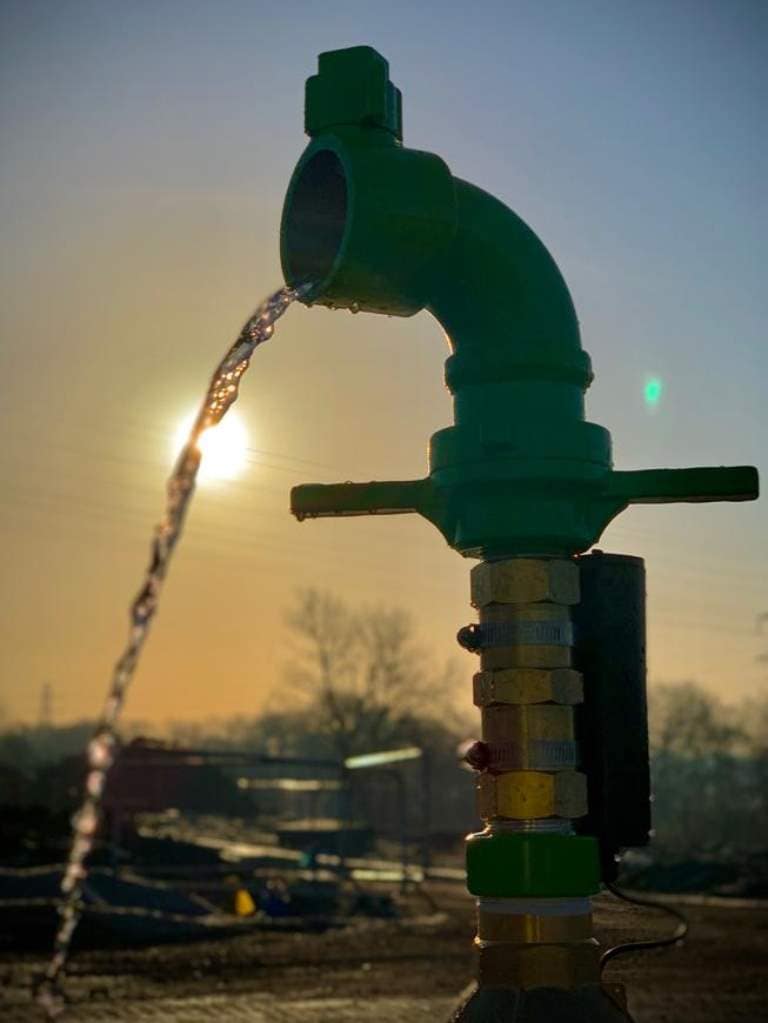
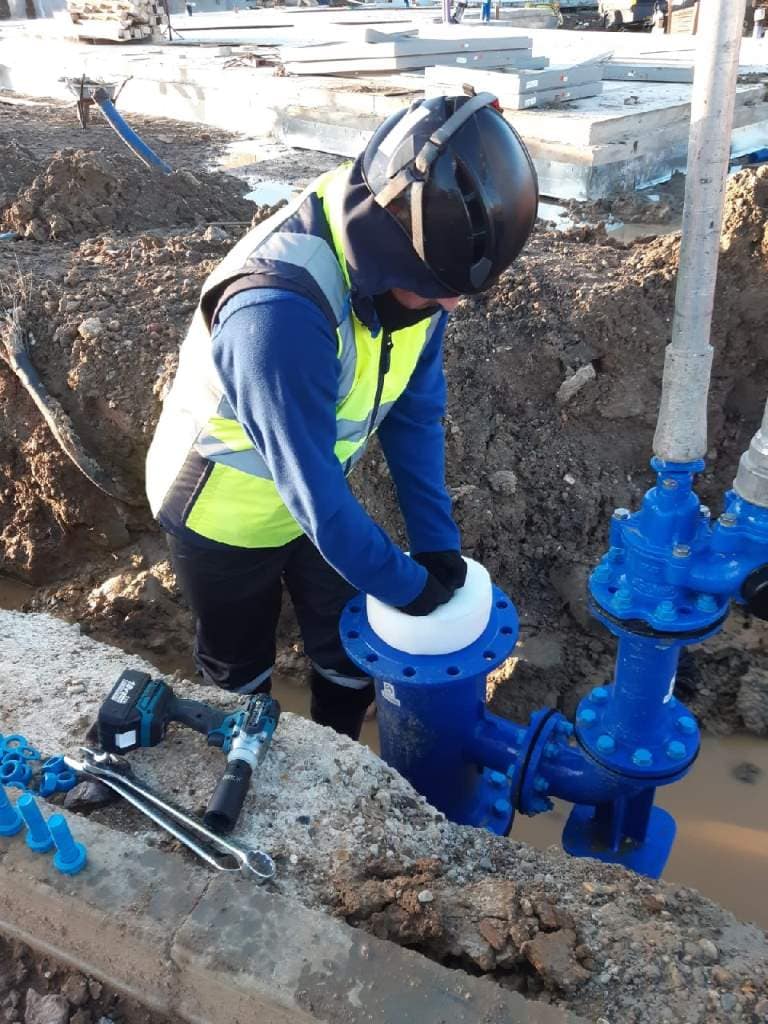
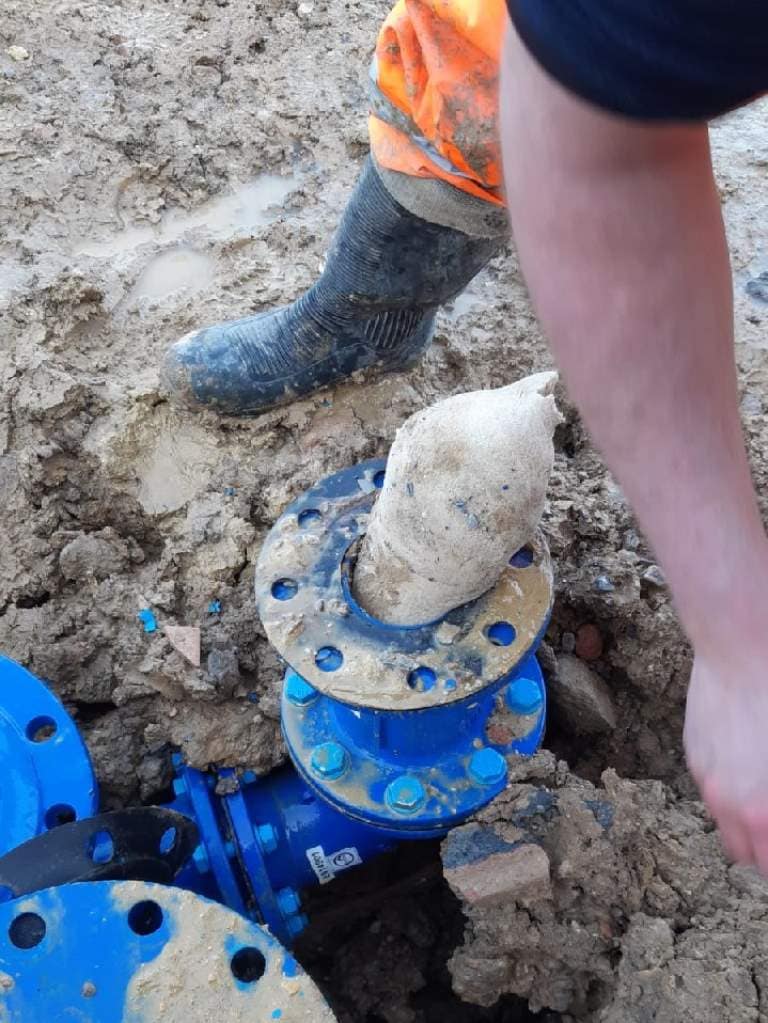
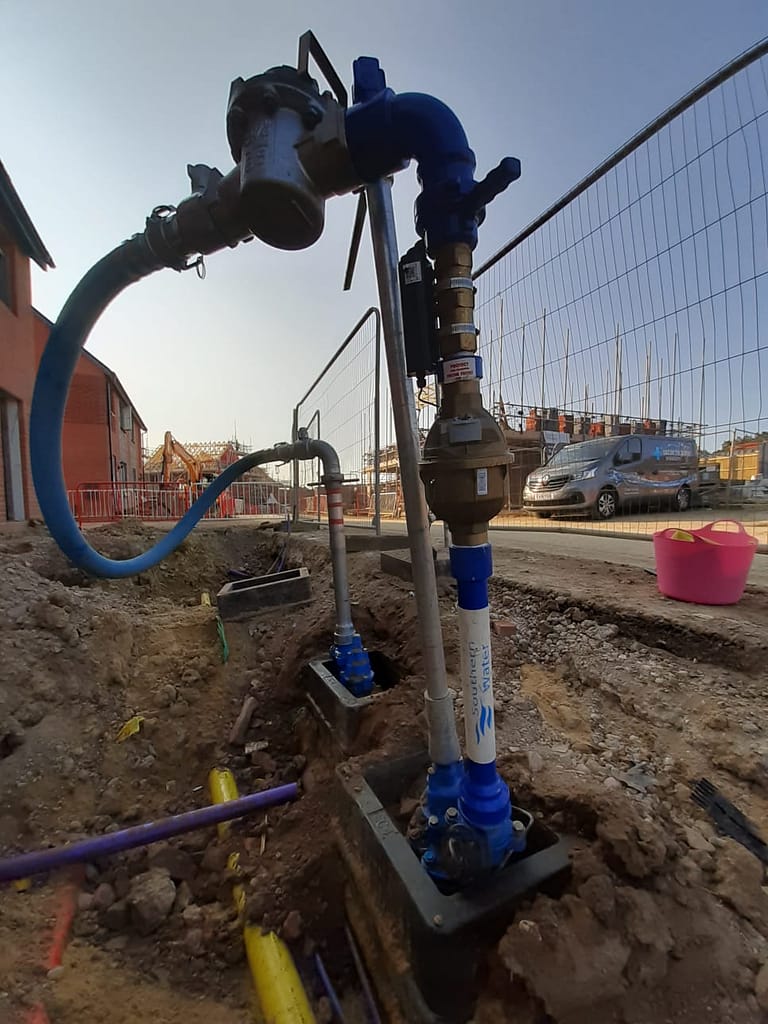
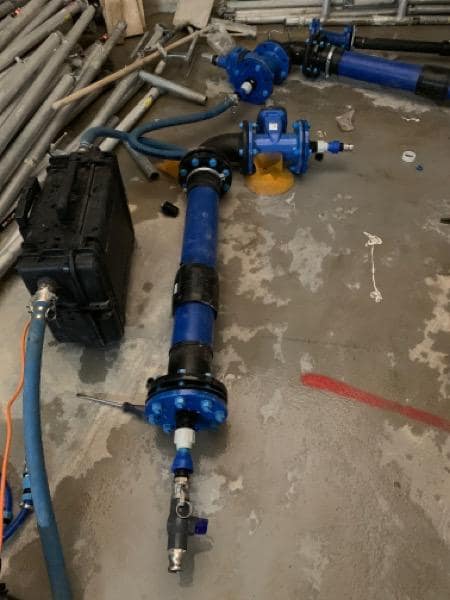
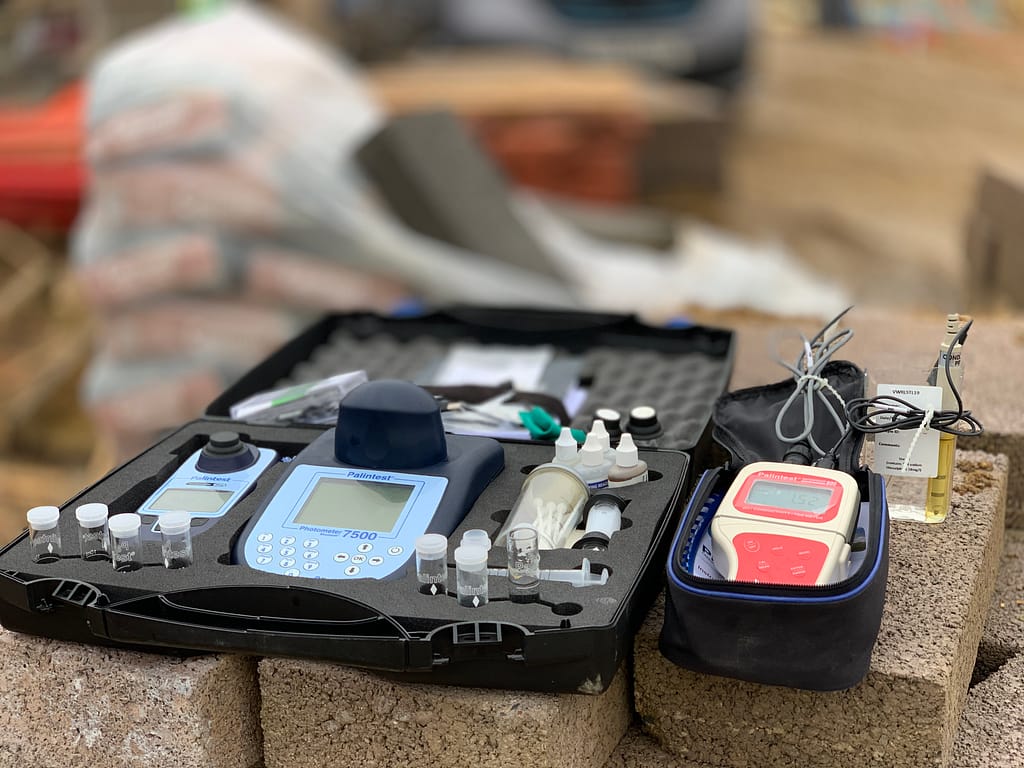
We mentioned we preferred the term commissioning and this is due to the fact that chlorination is only a small part of a correctly commissioned pipe. To commission a pipe correctly it should first be swabbed to clean the sides of the pipe and remove debris and air and then ideally it should be pressure tested. It should then be flushed to remove taste and odour issues before adding chlorine proportionally to ensure all areas of the pipe are in contact with chlorine solution. The chlorine is left to stand and then flushed out until background levels of chlorine are present and analysis is performed to ensure the water is consistent with that provided by the Water Authority. Finally it is sampled for microbiology and in some cases chemistry with analysis being performed by a UKAS accredited laboratory.
Do I even need a mains chlorination?
To prevent potential contamination into the existing Water Authority Network it is vital that new connections are properly commissioned and chlorinated. Water Authorities will not grant connection of pipes if a chlorination has not been performed (with the exception of short 25 mm new service connections).
How quickly is the Chlorination
Certificate provided?
We can issue the chlorination certificate on the same day as the mains chlorination is completed but the Water Authority will also require microbiology analysis from a UKAS accredited laboratory. Water sample result certificates are issued once analysis is complete and depending on complexity take between 3 and 10 days.
Are water samples taken on the day?
Water Authorities require microbiological samples (some also require chemistry) to be tested in a UKAS laboratory and without these certificates will not connect. We sample at the end of every job and include a sample from the source water to make sure this is also clean and clear from contamination.
Can we fast track sample results to get them back sooner?
Unfortunately the samples need to spend a minimum time in the incubators to meet the UKAS standard. We have a close working relationship with our testing laboratories and will always get samples back and out to the client as fast as possible.
What certification does the Water Authority need to connect the new mains?
As a minimum the Water Authority requires a chlorination certificate as well as the UKAS certificate of water sample analysis. Many Water Authorities also require a certified pressure test of the new mains pipe.
What is a Pressure Test?
Prior to connection of the new main pipe, many Water Authorities require proof that the new main doesn’t leak. Polyethylene pipes are hydrostatically pressure tested with specialist dataloggers and analysis to ensure they meet the requirements. A PASS certificate is provided once complete.
How long is a chlorination certificate valid for?
This can actually depend on the water authority but normally you have 14 days from the chlorination and testing to connect the pipe to the existing network. It is important that you liaise with the Water Authority to ensure this connection can be achieved in the 14 day timescale.
Do all Water Authorities work to the the same testing specification?
You would think they would and there are some basic standards that must be achieved but each Water Authority have their own requirements and it is important that your chlorination company is aware of those differences.
Some require additional samples, some always require a pressure test, some require double swabbing etc. We are familiar with the testing requirements of every UK Water Authority and ensure the correct specification is used to ensure a connection.


We know the testing requirements of the following Water Authorities:
- Anglian Water
- Affinity Water
- Bournemouth Water
- Bristol Water
- Cambridge Water
- Essex & Suffolk Water
- Independant Water Networks
- Northumbrian Water
- Portsmouth Water
- Severn Trent
- South Staffs Water
- South West Water
- Southern Water
- Suffolk & East Sussex Water
- Thames Water
- United Utilities
- Welsh Water / Dwr Cymru
- Wessex Water
- Yorkshire Water